

Protecting internal services using passkeys
Introduction Passkeys are an alternative to traditional passwords, based on public-key cryptography. In this topic, we are going to set up a single sign-on (SSO) authentication platform using passkeys. That platform can be used to protect web-based applications compliant [...]

Pentesting Keycloak
Introduction Keycloak is a popular single sign-on (SSO) solution, also used as authentication broker in some environments. Keycloak supports various protocols such as OpenID, OAuth version 2.0 and SAML and provides features such as user management, two-factor authentication, [...]
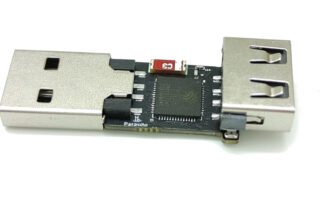
Attack of the clone – USB attacks have become more sneaky
About USB attacks In a previous installment, we covered the dangers posed by USB attacks, in particular HID emulation attacks (à la Rubber Ducky), and some of the techniques we can use to mitigate the risks (spoiler: defense [...]

Defending Linux workstations against USB attacks
Introduction USB attacks involve the use of malicious USB devices to compromise computer systems. In a typical scenario, a custom USB device that emulates a keyboard is used to attack a workstation. When plugged in, the device masquerades [...]

Enhancing the security of your Linux computer with Firejail
Note: this article applies to Linux users. For Windows users, check out Sandboxie. This is a gentle introduction to Firejail, a sandboxing tool for Linux. Introduction Firejail is a powerful sandboxing tool for Linux that enhances the security of running [...]





Using Linux tc to mirror traffic between interfaces
There may be situations as part of regular network admin work (or red team assignments perhaps) where we would want to copy incoming/outgoing traffic from one network interface (NIC) to another. In other words, replicating the SPAN (aka port [...]